Table of Contents
ToggleBest Financial Management App in Kenya

Managing money properly is one of the biggest factors behind business stability, growth, and long-term success. In Kenya, many businesses still struggle with poor record keeping, delayed reports, untracked expenses, unpaid invoices, and cash flow problems. Whether you run an SME, consultancy, school, NGO, SACCO, retail shop, or growing company, having the right financial management system can make daily operations easier and more organized.
The best financial management app in Kenya should help users track income, monitor expenses, prepare reports, manage budgets, issue invoices, and understand where money is going. Instead of relying only on notebooks, manual receipts, or scattered spreadsheets, businesses now need digital tools that give them accurate financial visibility and better control. A good system does not only store financial data; it helps business owners make informed decisions, reduce losses, and plan confidently.
For Kenyan businesses looking for a practical and reliable solution, FedhaTrack is a strong option to consider. It is designed to simplify bookkeeping, expense tracking, invoicing, financial reporting, budgeting, and accountability for businesses and organizations that want better control over their finances.
Why Financial Management Apps Matter in Kenya
Financial management apps are becoming important because businesses need faster, cleaner, and more accurate ways to manage money. Manual bookkeeping can work for very small operations, but as transactions increase, it becomes harder to track payments, expenses, debts, taxes, and reports accurately. A missing receipt, forgotten invoice, or wrongly recorded expense can affect decision-making and profitability.
In Kenya’s competitive business environment, business owners need to know their cash position at any time. They need to understand whether the business is making profit, where money is being spent, which clients have unpaid invoices, and whether the organization can comfortably meet its financial obligations. Without clear financial records, it becomes easy to overspend, underprice services, delay supplier payments, or make decisions based on guesswork.
A financial management app helps bring order into the business by keeping financial information in one place. It improves transparency, makes reporting easier, and gives managers a clearer view of business performance. This is especially useful for SMEs, NGOs, schools, project-based organizations, service companies, and businesses that handle many daily transactions.
What Makes the Best Financial Management App?
The best financial management app should be simple enough for everyday use but powerful enough to support serious financial control. It should not feel complicated for business owners, accountants, or staff members. Instead, it should make finance tasks easier and faster.
A good financial management app should support expense tracking, income recording, invoicing, payment monitoring, reporting, budgeting, and data security. It should also allow businesses to organize records in a way that makes audits, reviews, and decision-making easier. For growing organizations, the system should support accountability by showing who recorded, approved, or edited financial information.
Another important factor is accessibility. Many Kenyan businesses operate across different locations or have managers who travel often. A cloud-based financial management system allows authorized users to access financial information when needed, instead of waiting for physical files or office-based spreadsheets. This makes business operations more flexible and responsive.
Key Features to Look for in a Financial Management App
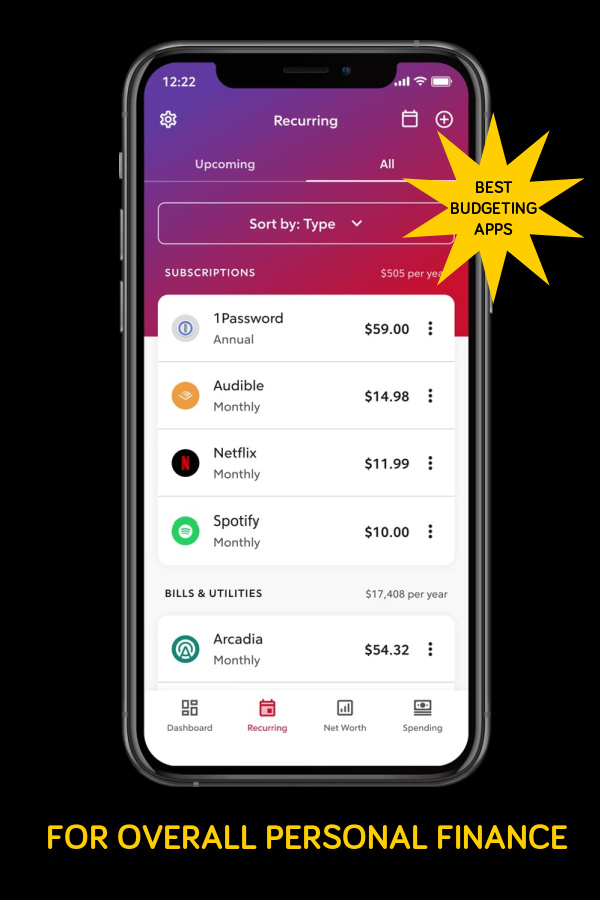
1. Expense Tracking
Expense tracking is one of the most important features in any financial management system. Businesses need to know how much they spend on operations, salaries, supplies, transport, rent, utilities, marketing, and other costs. When expenses are not properly tracked, money can disappear without clear explanation.
A good financial management app should allow users to record expenses easily, categorize them, attach supporting documents, and review spending patterns. This helps businesses identify unnecessary costs and improve financial discipline. Over time, expense tracking also supports better budgeting because the business can compare planned spending against actual spending.
For SMEs and growing organizations, this feature is useful because it helps reduce waste and improve accountability. Managers can see where money is going and make adjustments before financial problems become serious.
2. Invoicing and Payment Tracking
Many businesses in Kenya face cash flow problems because clients delay payments or invoices are not followed up properly. A financial management app should make it easy to create invoices, send them to clients, monitor unpaid balances, and track completed payments.
Professional invoicing also improves the image of a business. Instead of sending informal payment requests, companies can issue clear invoices with proper details. This helps clients understand what they are paying for and makes records easier to follow.
Payment tracking is equally important because it helps businesses know who has paid, who has not paid, and which invoices need follow-up. This reduces confusion and improves cash flow management.
3. Financial Reporting
Financial reports help business owners understand performance. Without reports, it is difficult to know whether the business is growing, declining, or simply surviving. A strong financial management app should generate clear reports on income, expenses, profit, cash flow, and overall financial activity.
Reports are useful for daily management, board meetings, investor updates, donor reporting, tax preparation, and strategic planning. They help decision-makers move away from assumptions and rely on actual numbers.
For organizations such as NGOs, schools, SACCOs, and SMEs, reporting is especially important because different stakeholders often need financial updates. A good app makes it easier to prepare these reports without spending many hours sorting through manual records.
4. Budgeting and Planning
Budgeting helps businesses control spending and prepare for future needs. Without a budget, organizations can easily overspend in one area while neglecting another. A financial management app should help users set budgets, monitor spending, and compare financial plans against actual results.
Good budgeting improves discipline. It allows businesses to plan for salaries, rent, stock, marketing, equipment, taxes, and emergencies. It also helps management understand whether the organization is operating within its means.
For project-based businesses and NGOs, budgeting is even more important because funds may be allocated for specific activities. A proper financial system helps ensure that money is used according to plan.
5. Cash Flow Monitoring
Cash flow is the movement of money in and out of a business. A business can appear profitable on paper but still struggle if cash is not available when needed. This is why cash flow monitoring is one of the most important parts of financial management.
A financial management app helps businesses monitor incoming payments, outgoing expenses, unpaid invoices, upcoming bills, and available cash. This helps management avoid surprises and plan ahead.
In Kenya, where many businesses rely on regular payments from clients, cash flow visibility can determine whether operations run smoothly or face interruptions. With proper cash flow monitoring, businesses can make better decisions about spending, saving, borrowing, and investing.
6. Audit Readiness
Audits become stressful when records are scattered, incomplete, or inconsistent. A good financial management app should help businesses keep organized records that can be reviewed when needed. This includes transaction history, approvals, receipts, invoices, and reports.
Audit-ready records improve trust and accountability. They also help businesses respond faster when requested to provide financial documents. For NGOs, SACCOs, schools, and companies that work with partners or donors, this is very important.
When financial information is properly organized, audits become easier, faster, and less disruptive.
7. Data Security
Financial information is sensitive. A business needs a system that protects records from unauthorized access, accidental loss, or misuse. A good financial management app should offer secure access, role-based permissions, backups, and proper data protection.
Role-based access is useful because not everyone in an organization should see or edit all financial information. For example, a staff member may only need to submit expenses, while a manager may need to approve them, and an accountant may need to generate reports.
Security helps protect the business from internal and external risks while maintaining confidence in the system.
Benefits of Using a Financial Management App in Kenya

Using a financial management app brings many benefits to businesses and individuals. The first benefit is better organization. All financial records can be stored in a structured system, making it easier to find information when needed.
The second benefit is improved accuracy. Manual records can easily contain mistakes, especially when many transactions are involved. A digital system reduces errors and helps users maintain cleaner records.
The third benefit is better decision-making. When business owners have access to clear financial information, they can make decisions based on facts. They can know when to reduce costs, increase prices, follow up on payments, or invest in growth.
Another major benefit is time saving. Instead of spending hours preparing reports or searching for receipts, users can access organized information faster. This improves productivity and allows teams to focus on core business activities.
Who Needs a Financial Management App?
Financial management apps are useful for many types of users in Kenya. SMEs need them to manage daily expenses, invoices, payments, and reports. Startups need them to build proper financial systems from the beginning. NGOs need them for accountability, donor reporting, budgeting, and audits.
Schools and institutions can use financial management apps to monitor fees, expenses, budgets, and operational costs. Retail businesses can use them to track sales, supplier payments, and expenses. Consultants and freelancers can use them to manage invoices, client payments, and business expenses.
Even individuals can benefit from financial management apps by tracking personal income, expenses, savings, and financial goals. The more organized your financial records are, the easier it becomes to manage money wisely.
Why Businesses Should Avoid Poor Financial Records
Poor financial records can damage a business slowly. At first, it may seem harmless to delay bookkeeping or keep records in different places. However, over time, this creates confusion and weakens financial control.
Businesses with poor records often struggle with unpaid invoices, missing receipts, inaccurate reports, tax issues, poor budgeting, and cash shortages. Management may not know the true financial position of the business. This can lead to wrong decisions, unnecessary borrowing, overspending, and even business failure.
A financial management app helps prevent these problems by creating a proper structure for recording, reviewing, and reporting financial information.
Cloud-Based Financial Management for Modern Businesses
Cloud-based financial management apps are especially useful for modern businesses because they allow secure access from different locations. This is important for business owners, managers, and accountants who need flexibility.
With cloud-based systems, financial records are not limited to one computer or physical office. Authorized users can access the system when needed, collaborate more easily, and reduce dependency on paper files.
Cloud systems also support backups and easier updates. This makes them more reliable for businesses that want long-term financial organization and scalability.
How Financial Management Apps Support Growth
A business that wants to grow needs more than sales. It needs financial structure. Growth increases transaction volumes, expenses, payroll needs, supplier payments, tax obligations, and reporting requirements. Without proper systems, growth can become difficult to manage.
Financial management apps support growth by helping businesses stay organized as operations expand. They make it easier to monitor performance, control costs, manage cash flow, and prepare accurate reports.
For growing companies, proper financial management also improves credibility. Banks, investors, partners, and clients are more likely to trust a business that has clean records and structured reports.
Choosing the Best Financial Management App in Kenya
When choosing the best financial management app in Kenya, businesses should consider their size, industry, budget, reporting needs, and level of financial complexity. The right app should solve real problems rather than simply adding another tool to the business.
A small business may need simple expense tracking and invoicing. A larger organization may need budgeting, approvals, reports, audit trails, and multiple user access. An NGO may need project-based reporting and accountability. A school may need structured income and expense monitoring.
The best choice is a system that is easy to use, secure, scalable, and practical for the Kenyan business environment.
Final Thoughts
The best financial management app in Kenya is one that helps businesses move from guesswork to clarity. It should simplify bookkeeping, improve expense tracking, support invoicing, strengthen reporting, and help users make better financial decisions.
As Kenyan businesses continue adopting digital tools, financial management apps will become even more important. They help reduce errors, improve accountability, save time, and support sustainable growth.
For businesses, organizations, and individuals looking for a dependable financial management solution, FedhaTrack is worth considering. It provides practical tools for managing finances more clearly, improving accountability, and supporting better financial planning in Kenya.
Leave a Reply