Save 6%
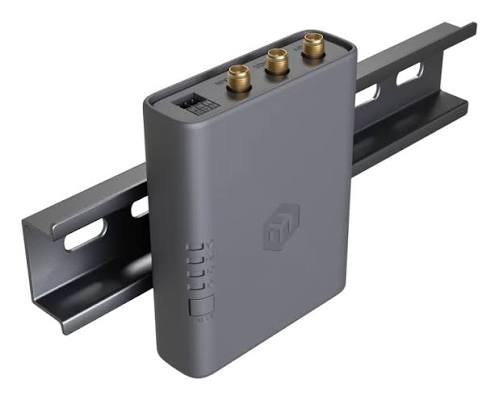
Select an image to view it. Click the main image to enlarge.
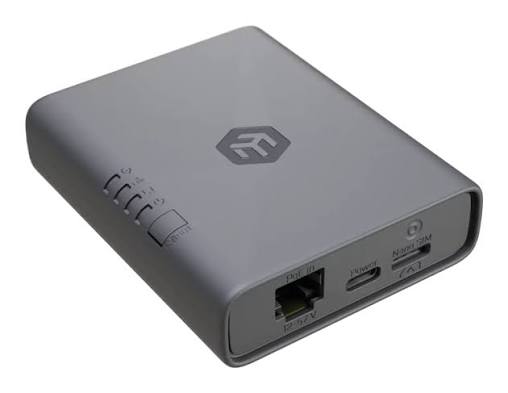
Mikrotik KNOT Embedded LTE4 Price in Kenya
In stock
KES 29,999.00
KES 32,000.00
You save KES 2,001.00
Buy MikroTik KNOT Embedded LTE4 Industrial IoT Gateway in Kenya. Review key specs, compatibility, setup guidance and accessories at Reisen SEO.
View product detailsNeed help choosing?
Talk to our team at +254 714 804 532
Product details
MikroTik KNOT Embedded LTE4 Industrial IoT Gateway
MikroTik KNOT Embedded LTE4 Industrial IoT Gateway is a industrial LTE/Bluetooth/GNSS gateway intended for projects in Kenya where the equipment needs to fit an identifiable network design. Its purpose is to solve a defined connection problem: vending and equipment telemetry. Before selecting equipment for a site, consider the required interface, the power source, the connected endpoints, and the services the new device must support. That is how the correct model becomes a useful part of the network.
It can be considered when industrial cabinet remote monitoring is part of the project. Its important capabilities include compact industrial gateway for machine connectivity and cellular backhaul with Bluetooth sensor gathering. A site can benefit from these functions only when the upstream equipment and the physical installation are compatible. Reisen focuses on the exact model identity so that buyers can distinguish it from similar-looking hardware with different power, radio or network interfaces.
For asset and mobile equipment connectivity, the equipment should fit an end-to-end design with the correct input, output, installation location and operating conditions. Make the primary buying decision from the specifications below, then match cables, power, controls and any required supporting hardware. An orderly installation plan also makes commissioning and ongoing maintenance simpler for the next technician who works on the system.
Key Features and Benefits
· Compact industrial gateway for machine connectivity
· Cellular backhaul with Bluetooth sensor gathering
· GNSS positioning and GPIO application integration
· DIN-rail-friendly form and RouterOS management
How to Buy MikroTik KNOT Embedded LTE4 Industrial IoT Gateway
Before ordering, confirm the model identity, exact regional model and LTE bands, and sIM and eSIM provisioning support. The four buying decisions below help match the product to the intended installation and supporting equipment.

How to Buy MikroTik KNOT Embedded LTE4 Industrial IoT Gateway: Match the model, interfaces, site requirements and order.
Key Specifications
|
Specification |
Details |
|
Model family |
KNOT Embedded LTE4 |
|
Manufacturer code (EU variant) |
EC25-EU&KNe |
|
Cellular |
LTE Category 4 |
|
Bluetooth |
Bluetooth 5.4 low energy |
|
Location |
GNSS with SMA antenna interface |
|
Ethernet |
1 × Gigabit Ethernet |
|
Power |
802.3af/at PoE input or USB-C 5 V |
|
SIM |
Nano SIM and eSIM support on specified variant |
|
Software |
RouterOS v7; license level 3 |
Choosing the Right Model for Your Site
Exact-model selection matters. The listing refers to MikroTik KNOT Embedded LTE4 Industrial IoT Gateway; compare that identity with the print on the unit and the manufacturer documentation. Related products may have different radio bands, power requirements, uplink interfaces or management capabilities. Do not choose a near match from a search result simply because the brand and the visible enclosure resemble the intended hardware.
Build a complete bill of materials. Typical additional requirements for this model can include LTE SIM, matching GNSS antenna, industrial mounting provision, compatible sensor or remote controller. When those are already available, confirm they really match the specified standards; if they are not available, add them to the installation budget. An apparently inexpensive component can be the wrong economic choice when it needs replacement cables or incompatible optics.
Estimate the practical installation work. A site requiring industrial cabinet remote monitoring may need access permissions, a network outage window, cable termination, physical mounting, firmware updates and final performance measurements. The chosen product should simplify the technical architecture and make servicing predictable. A quotation should distinguish hardware cost from labor and supporting equipment.
Consider long-term ownership. Preserve product code, firmware version, management credentials, configuration backup and cable labels in a handover record. This supports later troubleshooting, changes of Internet provider, additional users and accessory replacement. For high-importance applications, arrange a maintenance procedure or spare hardware rather than relying on ad hoc repair once service fails.
Product Architecture and Technical Functions

MikroTik KNOT Embedded LTE4 Industrial IoT Gateway: Hardware features and interface selection guide.
Compact industrial gateway for machine connectivity. For vending and equipment telemetry, this feature is valuable when it fits the wider network architecture. In practical purchasing terms, the associated consideration is exact regional model and LTE bands. A technician should test this capability at the equipment interface and with the intended endpoint, rather than assuming it will behave identically in every environment. This helps distinguish MikroTik KNOT Embedded LTE4 Industrial IoT Gateway from products that look similar but use a different network or power standard.
Cellular backhaul with Bluetooth sensor gathering. For industrial cabinet remote monitoring, this feature is valuable when it fits the wider network architecture. In practical purchasing terms, the associated consideration is sIM and eSIM provisioning support. A technician should test this capability at the equipment interface and with the intended endpoint, rather than assuming it will behave identically in every environment. This helps distinguish MikroTik KNOT Embedded LTE4 Industrial IoT Gateway from products that look similar but use a different network or power standard.
GNSS positioning and GPIO application integration. For asset and mobile equipment connectivity, this feature is valuable when it fits the wider network architecture. In practical purchasing terms, the associated consideration is correct antenna positioning for GNSS. A technician should test this capability at the equipment interface and with the intended endpoint, rather than assuming it will behave identically in every environment. This helps distinguish MikroTik KNOT Embedded LTE4 Industrial IoT Gateway from products that look similar but use a different network or power standard.
DIN-rail-friendly form and RouterOS management. For vending and equipment telemetry, this feature is valuable when it fits the wider network architecture. In practical purchasing terms, the associated consideration is industrial sensor protocol and GPIO interface design. A technician should test this capability at the equipment interface and with the intended endpoint, rather than assuming it will behave identically in every environment. This helps distinguish MikroTik KNOT Embedded LTE4 Industrial IoT Gateway from products that look similar but use a different network or power standard.
Understanding Each Key Specification
Model family: KNOT Embedded LTE4. When planning vending and equipment telemetry, use this stated parameter alongside exact regional model and LTE bands. The manufacturer specification describes the product's capability; a complete system also requires matching counterparts and realistic site conditions. Keep this detail in the equipment schedule so installation and purchasing teams use the same model.
Manufacturer code (EU variant): EC25-EU&KNe. When planning industrial cabinet remote monitoring, use this stated parameter alongside sIM and eSIM provisioning support. The manufacturer specification describes the product's capability; a complete system also requires matching counterparts and realistic site conditions. Keep this detail in the equipment schedule so installation and purchasing teams use the same model.
Cellular: LTE Category 4. When planning asset and mobile equipment connectivity, use this stated parameter alongside correct antenna positioning for GNSS. The manufacturer specification describes the product's capability; a complete system also requires matching counterparts and realistic site conditions. Keep this detail in the equipment schedule so installation and purchasing teams use the same model.
Bluetooth: Bluetooth 5.4 low energy. When planning vending and equipment telemetry, use this stated parameter alongside industrial sensor protocol and GPIO interface design. The manufacturer specification describes the product's capability; a complete system also requires matching counterparts and realistic site conditions. Keep this detail in the equipment schedule so installation and purchasing teams use the same model.
Location: GNSS with SMA antenna interface. When planning industrial cabinet remote monitoring, use this stated parameter alongside exact regional model and LTE bands. The manufacturer specification describes the product's capability; a complete system also requires matching counterparts and realistic site conditions. Keep this detail in the equipment schedule so installation and purchasing teams use the same model.
Ethernet: 1 × Gigabit Ethernet. When planning asset and mobile equipment connectivity, use this stated parameter alongside sIM and eSIM provisioning support. The manufacturer specification describes the product's capability; a complete system also requires matching counterparts and realistic site conditions. Keep this detail in the equipment schedule so installation and purchasing teams use the same model.
Power: 802.3af/at PoE input or USB-C 5 V. When planning vending and equipment telemetry, use this stated parameter alongside correct antenna positioning for GNSS. The manufacturer specification describes the product's capability; a complete system also requires matching counterparts and realistic site conditions. Keep this detail in the equipment schedule so installation and purchasing teams use the same model.
SIM: Nano SIM and eSIM support on specified variant. When planning industrial cabinet remote monitoring, use this stated parameter alongside industrial sensor protocol and GPIO interface design. The manufacturer specification describes the product's capability; a complete system also requires matching counterparts and realistic site conditions. Keep this detail in the equipment schedule so installation and purchasing teams use the same model.
Software: RouterOS v7; license level 3. When planning asset and mobile equipment connectivity, use this stated parameter alongside exact regional model and LTE bands. The manufacturer specification describes the product's capability; a complete system also requires matching counterparts and realistic site conditions. Keep this detail in the equipment schedule so installation and purchasing teams use the same model.
Technical Selection Guide

Technical decision guide: Interpret the model specifications in a network design.
Integration design
An IoT deployment succeeds when the sensor or machine protocol, gateway, cloud endpoint and alerting process agree. Determine what data must be reported, the intervals, the latency tolerance and the exact exception that should trigger an alarm. A temperature threshold, missing-heartbeat alarm or state change has operational meaning only if the recipient can identify the equipment and take action.
Regional and radio compatibility
The physical radio SKU matters more than a broadly similar marketing name. Before a Kenyan field deployment, match the cellular or LoRaWAN bands, legal operating conditions, antenna type and power availability. Regional variants can have different embedded modems or band plans even when they look alike in the enclosure.
Operational security
Assign unique device identity, restrict management access and retain configuration backups. Industrial gateways often bridge operational devices to external networks, so avoid exposing raw control interfaces to untrusted users. Test not only a successful startup but also recoveries from power loss, loss of cellular signal and server outages.
Typical Applications in Kenya
Vending and equipment telemetry
A practical example is vending and equipment telemetry. In this environment, compact industrial gateway for machine connectivity can provide a useful technical building block, provided that the chosen topology actually needs the device's functions. Start by drawing the upstream connection, the intended endpoint and the power path. The total solution may include cable, a switch, fiber modules, mounted endpoints or a managed gateway. Making those dependencies explicit during procurement can prevent a correct product from being installed in the wrong role.
For this use case, pay attention to exact regional model and LTE bands. A buyer can compare purchase options by asking what the technician must do before the system becomes serviceable. One of the relevant tasks is to identify the regional hardware variant and required radio bands. That task is easier when mounting access, labeling, firmware and acceptance tests are considered before equipment arrives on site. After installation, check the actual client experience or service behavior rather than assuming the model's marketing rating is the site result.
Industrial cabinet remote monitoring
A practical example is industrial cabinet remote monitoring. In this environment, cellular backhaul with Bluetooth sensor gathering can provide a useful technical building block, provided that the chosen topology actually needs the device's functions. Start by drawing the upstream connection, the intended endpoint and the power path. The total solution may include cable, a switch, fiber modules, mounted endpoints or a managed gateway. Making those dependencies explicit during procurement can prevent a correct product from being installed in the wrong role.
For this use case, pay attention to sIM and eSIM provisioning support. A buyer can compare purchase options by asking what the technician must do before the system becomes serviceable. One of the relevant tasks is to fit the unit inside a protected cabinet and secure DIN rail bracket. That task is easier when mounting access, labeling, firmware and acceptance tests are considered before equipment arrives on site. After installation, check the actual client experience or service behavior rather than assuming the model's marketing rating is the site result.
Asset and mobile equipment connectivity
A practical example is asset and mobile equipment connectivity. In this environment, gNSS positioning and GPIO application integration can provide a useful technical building block, provided that the chosen topology actually needs the device's functions. Start by drawing the upstream connection, the intended endpoint and the power path. The total solution may include cable, a switch, fiber modules, mounted endpoints or a managed gateway. Making those dependencies explicit during procurement can prevent a correct product from being installed in the wrong role.
For this use case, pay attention to correct antenna positioning for GNSS. A buyer can compare purchase options by asking what the technician must do before the system becomes serviceable. One of the relevant tasks is to connect LTE, GNSS and sensor interfaces according to the application. That task is easier when mounting access, labeling, firmware and acceptance tests are considered before equipment arrives on site. After installation, check the actual client experience or service behavior rather than assuming the model's marketing rating is the site result.
Compatibility and Planning Matrix

Compatibility matrix: Verify interfaces, power and installation prerequisites.
Exact regional model and LTE bands: EU and Global hardware variants do not share identical LTE bands or storage. For vending and equipment telemetry, identify the actual counterpart device and compare the physical interface, power or radio standard. Confirm the relevant requirement while planning the materials list, not when the installer reaches the site. This makes the final installation more predictable and reduces avoidable returns caused by mismatched accessories.
SIM and eSIM provisioning support: GNSS requires appropriate reception and antenna placement. For industrial cabinet remote monitoring, identify the actual counterpart device and compare the physical interface, power or radio standard. Confirm the relevant requirement while planning the materials list, not when the installer reaches the site. This makes the final installation more predictable and reduces avoidable returns caused by mismatched accessories.
Correct antenna positioning for GNSS: It is an industrial IoT gateway, not a replacement for a high-power Wi-Fi access point. For asset and mobile equipment connectivity, identify the actual counterpart device and compare the physical interface, power or radio standard. Confirm the relevant requirement while planning the materials list, not when the installer reaches the site. This makes the final installation more predictable and reduces avoidable returns caused by mismatched accessories.
Industrial sensor protocol and GPIO interface design: EU and Global hardware variants do not share identical LTE bands or storage. For vending and equipment telemetry, identify the actual counterpart device and compare the physical interface, power or radio standard. Confirm the relevant requirement while planning the materials list, not when the installer reaches the site. This makes the final installation more predictable and reduces avoidable returns caused by mismatched accessories.
How to Install and Use MikroTik KNOT Embedded LTE4 Industrial IoT Gateway

Installation topology: Trace the upstream interface, industrial LTE/Bluetooth/GNSS gateway and downstream service.
A Step by Step Guide to MikroTik KNOT Embedded LTE4 Industrial IoT Gateway
Step 1: Identify the regional hardware variant and required radio bands. Check the observed interface or service status before advancing, and document any cable, power or configuration setting that another technician would need to reproduce the result. At handover, retain a record of the equipment identity and acceptance test outcome.
Step 2: Fit the unit inside a protected cabinet and secure DIN rail bracket. Check the observed interface or service status before advancing, and document any cable, power or configuration setting that another technician would need to reproduce the result. At handover, retain a record of the equipment identity and acceptance test outcome.
Step 3: Connect LTE, GNSS and sensor interfaces according to the application. Check the observed interface or service status before advancing, and document any cable, power or configuration setting that another technician would need to reproduce the result. At handover, retain a record of the equipment identity and acceptance test outcome.
Step 4: Apply the correct power source and create the cellular connection. Check the observed interface or service status before advancing, and document any cable, power or configuration setting that another technician would need to reproduce the result. At handover, retain a record of the equipment identity and acceptance test outcome.
Step 5: Configure RouterOS, firewall and permitted remote access. Check the observed interface or service status before advancing, and document any cable, power or configuration setting that another technician would need to reproduce the result. At handover, retain a record of the equipment identity and acceptance test outcome.
Step 6: Test telemetry delivery, loss of network and recovery behavior. Check the observed interface or service status before advancing, and document any cable, power or configuration setting that another technician would need to reproduce the result. At handover, retain a record of the equipment identity and acceptance test outcome.
Testing, Commissioning and Maintenance

Deployment checklist: Plan, configure, test and document the installed device.
EU and Global hardware variants do not share identical LTE bands or storage. If a fault occurs, check the physical power and link state first, then confirm that the intended task—connect LTE, GNSS and sensor interfaces according to the application—was completed. Change only one part of the setup at a time and compare the result with the original acceptance measurements. This separates a faulty component from a mismatched supply, configuration problem or environmental constraint.
GNSS requires appropriate reception and antenna placement. If a fault occurs, check the physical power and link state first, then confirm that the intended task—apply the correct power source and create the cellular connection—was completed. Change only one part of the setup at a time and compare the result with the original acceptance measurements. This separates a faulty component from a mismatched supply, configuration problem or environmental constraint.
It is an industrial IoT gateway, not a replacement for a high-power Wi-Fi access point. If a fault occurs, check the physical power and link state first, then confirm that the intended task—configure RouterOS, firewall and permitted remote access—was completed. Change only one part of the setup at a time and compare the result with the original acceptance measurements. This separates a faulty component from a mismatched supply, configuration problem or environmental constraint.
What's in the Box
|
Specification |
Details |
|
1 |
KNOT Embedded LTE4 gateway |
|
2 |
K-91 fastening set |
|
3 |
5 V 0.8 A power adapter |
Package presentation and included accessories may differ with region, hardware revision, distribution bundle or the specific configured system. Check the product supplied against the identified model and order description.
Recommended Accessories and Related Products
A complete industrial LTE/Bluetooth/GNSS gateway deployment may also require LTE SIM, matching GNSS antenna, industrial mounting provision, compatible sensor or remote controller. Choose accessories by the actual site design and ensure each part is compatible with the specified hardware. Related products from the Reisen catalog can help complete a system without mixing unrelated power or network standards.
· Related: MikroTik wAP ax LTE7 Kit Dual-Band Wi-Fi 6 Outdoor LTE Router
· Related: MikroTik FTC21-UPS Weatherproof Fiber-to-Copper Media Converter
· Related: TP-Link Omada OC300 Hardware Network Controller
For exact technical specifications and model-specific documentation, consult the MikroTik official product reference.
Frequently Asked Questions
What is MikroTik KNOT Embedded LTE4 Industrial IoT Gateway designed to do?
It is a industrial LTE/Bluetooth/GNSS gateway intended for applications such as vending and equipment telemetry and industrial cabinet remote monitoring. Its role should be defined from the endpoint and the upstream network. Compact industrial gateway for machine connectivity. Choosing the right model means checking the required connection type and operating conditions, not simply selecting the highest advertised number.
How can I check compatibility with existing equipment?
Start with the manufacturer's product code and the exact hardware revision. Compare the required exact regional model and lte bands and sim and esim provisioning support. Then check interface standards, available power and relevant firmware. If a converter, gateway or radio is involved, also confirm the counterpart technology. The documentation and as-built network plan should agree before the device is powered.
Will the advertised speed or capacity be achieved everywhere?
No marketing data-rate label guarantees application throughput at every site. The effective result depends on the selected interfaces, client capability, cable quality, upstream service, and installation conditions. For asset and mobile equipment connectivity, measure the actual end-to-end path and compare it against the real business requirement rather than assuming one headline rating describes all connected users.
Which accessories should I order with this product?
The appropriate accessories depend on the project and supplied package. Consider LTE SIM, matching GNSS antenna, industrial mounting provision. Separate optional supporting equipment from what the manufacturer states is supplied. For a network extension, ask whether the far-end device, power source and matched cable or optics are already on site.
What should the installer test before handover?
Check power stability, physical fit, correct link or radio negotiation, secure management access and expected application traffic. One important task is to test telemetry delivery, loss of network and recovery behavior. Record the outcome and label serviceable connections so future troubleshooting starts from evidence.
Can the product be expanded as the business grows?
Expansion depends on interfaces, management features and the wider network design. GNSS positioning and GPIO application integration. A larger deployment may require additional compatible access points, switches, fiber links, controller resources or a change in gateway capacity. Plan the next stage around real endpoint counts and traffic rather than assuming all similarly named models are interchangeable.
What should a Kenyan buyer confirm before placing an order?
Confirm the exact model and hardware revision, the current selling price, availability, delivery destination and any installation accessories. Also confirm correct antenna positioning for gnss and industrial sensor protocol and gpio interface design. If the offered product is intended for a special regulatory band, application or power class, obtain the appropriate confirmation before installation.
Buy MikroTik KNOT Embedded LTE4 Industrial IoT Gateway in Kenya
Choose MikroTik KNOT Embedded LTE4 Industrial IoT Gateway when its confirmed capabilities match your network design. Compare the listed product with the existing industrial LTE/Bluetooth/GNSS gateway requirements, review any additional components before installation and use the Reisen product page to check the current price and order details. For a larger project, prepare the expected quantity, installation location and connection specifications before requesting a quotation.
Additional information
| Product | Mikrotik KNOT Embedded LTE4 Price in Kenya |
|---|---|
| Category | Mikrotik |
| Price | KES 29,999.00 |
| Availability | In stock |
Keep exploringMore in Mikrotik
Related products